
Clothing: Style, Function, and Expression in Everyday Life

Introduction to Clothing
Clothing is far more than a basic human necessity. It reflects identity, culture, environment, and personal taste. From traditional garments rooted in history to modern fashion influenced by global trends, clothing plays a powerful role in how people present themselves and interact socially.
The Purpose of Clothing
Clothing serves multiple essential functions beyond appearance.
Protection
- Shields the body from weather conditions such as heat, cold, rain, and wind
- Protects against dust, insects, and minor injuries
Comfort
- Ensures ease of movement and physical well-being
- Breathable fabrics help regulate body temperature
Modesty and Cultural Values
- Reflects traditions and societal norms
- Varies across regions, religions, and communities
Identity and Expression
- Communicates personality, lifestyle, and profession
- Allows creativity through style, color, and design
Types of Clothing
Casual Wear
Designed for everyday use, focusing on comfort and simplicity.
- T-shirts
- Jeans
- Shorts
- Hoodies
Formal Wear
Worn for professional settings and special occasions.
- Suits and ties
- Dresses and gowns
- Blazers
Traditional Clothing
Represents cultural heritage and identity.
- Saree and kurta
- Kimono
- Hanbok
Sportswear
Created for physical activities and performance.
- Tracksuits
- Athletic wear
- Moisture-wicking fabrics
Seasonal Clothing
Clothing adapted to weather conditions.
- Winter: coats, sweaters
- Summer: light cotton garments
- Rainy: waterproof jackets
Fabrics Used in Clothing
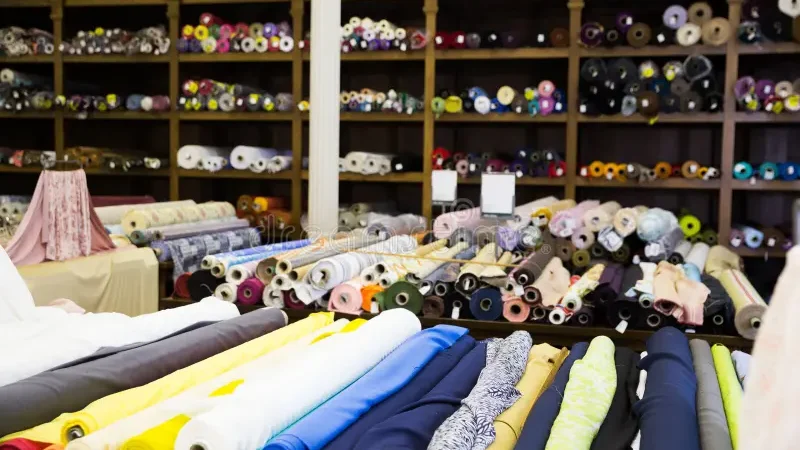
The choice of fabric determines comfort, durability, and style.
Natural Fabrics
- Cotton: Soft, breathable, ideal for warm climates
- Silk: Smooth and elegant, often used in formal attire
- Wool: Warm and insulating, suitable for colder seasons
Synthetic Fabrics
- Polyester: Durable and wrinkle-resistant
- Nylon: Lightweight and strong
- Spandex: Stretchable and flexible, used in activewear
Fashion and Trends
Fashion evolves continuously, influenced by culture, media, and innovation.
Key Influences
- Social media platforms
- Celebrities and designers
- Cultural diversity and global exchange
Popular Trends
- Sustainable fashion
- Minimalist wardrobes
- Gender-neutral clothing
Sustainable Clothing
Sustainability has become a major focus in the clothing industry.
Importance
- Reduces environmental impact
- Promotes ethical manufacturing
- Encourages responsible consumption
Sustainable Practices
- Choosing organic or recycled materials
- Supporting ethical brands
- Reducing fast fashion habits
Tips for Choosing the Right Clothing
- Understand your body shape for better fit
- Focus on quality rather than quantity
- Select clothes suitable for your climate
- Prioritize comfort along with style
- Invest in timeless, versatile pieces
The Future of Clothing
The future of clothing lies in innovation and responsibility. Advancements like smart textiles, eco-friendly materials, and digital fashion are reshaping the industry. Consumers are becoming more aware, encouraging brands to adopt sustainable and ethical practices.
Frequently Asked Questions (FAQs)
1. Why is clothing important in daily life?
Clothing provides protection, comfort, and a way to express identity and social belonging.
2. Which fabric is best for hot weather?
Cotton and linen are ideal because they are lightweight and breathable.
3. What defines sustainable clothing?
It includes garments made with eco-friendly materials and produced through ethical processes.
4. How can I improve my personal style?
Focus on fit, choose colors that suit you, and build a wardrobe with versatile pieces.
5. What is the difference between fashion and style?
Fashion refers to trends, while style is a personal expression that remains consistent over time.
6. How do I take care of my clothes properly?
Follow washing instructions, avoid over-drying, and store garments correctly.
7. What are wardrobe essentials everyone should own?
Basic items like well-fitted jeans, neutral tops, a formal outfit, and comfortable footwear are essential.