
Accessories: The Subtle Power Behind Every Great Outfit

Accessories are often the quiet heroes of personal style. While clothing forms the foundation, it’s the details—the watch on your wrist, the necklace at your collarbone, or the bag slung over your shoulder—that tell the real story. The right accessories can elevate a simple outfit into something memorable, expressive, and uniquely yours.
What Are Accessories?
Accessories are supplementary items worn or carried to complement an outfit. They serve both functional and aesthetic purposes, enhancing appearance while often adding practicality.
Common Types of Accessories
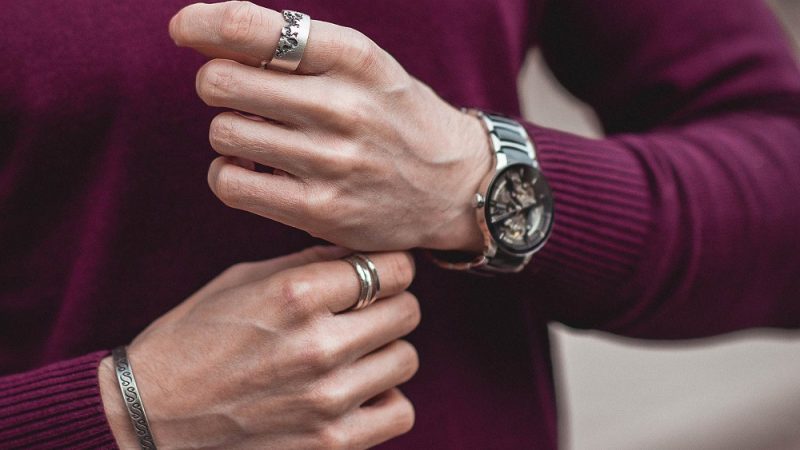
- Jewelry: Necklaces, rings, bracelets, earrings
- Watches: Functional yet stylish timepieces
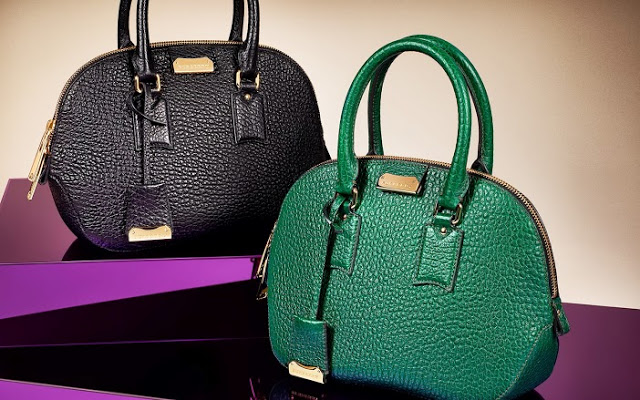
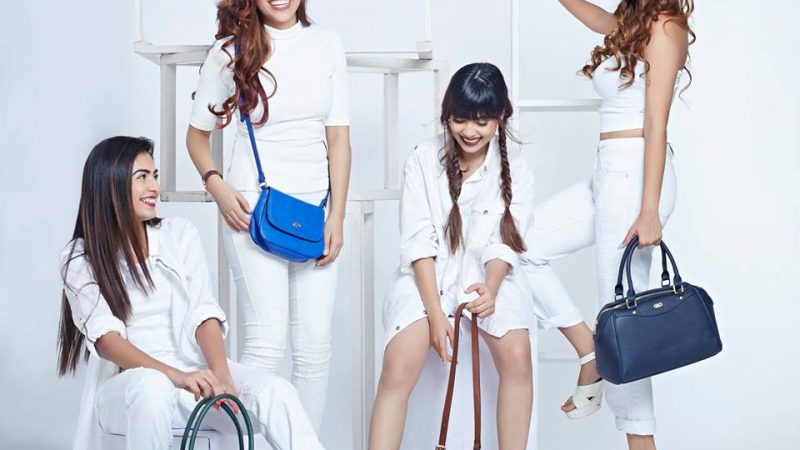
- Bags: Handbags, backpacks, clutches
- Belts: Both utility and fashion statements
- Scarves & Hats: Seasonal and stylistic additions
- Eyewear: Sunglasses or prescription glasses
Why Accessories Matter
Accessories are not just add-ons—they shape perception. A minimalist outfit can look refined with the right watch, or bold with statement jewelry.
Key Benefits
- Personal Expression: Reflect your personality without changing your entire wardrobe
- Versatility: Transform outfits for different occasions
- Focus Points: Draw attention to specific areas
- Cost-Effective Style Upgrade: Refresh your look without buying new clothes
Popular Accessory Styles
Jewelry Essentials
Jewelry ranges from subtle to dramatic. Minimalist pieces suit everyday wear, while bold designs make strong fashion statements.
Bags and Carry Essentials
Bags combine utility and fashion. A structured handbag signals elegance, while a backpack offers a casual, modern vibe.
Watches and Timepieces
Watches are timeless accessories that balance practicality with sophistication. From analog classics to smartwatches, they reflect lifestyle choices.
Seasonal Accessories
- Winter: Scarves, gloves, wool hats
- Summer: Sunglasses, caps, lightweight jewelry
- Rainy Season: Stylish umbrellas, waterproof bags
How to Choose the Right Accessories
Selecting accessories is about balance and intention. Too many can overwhelm; too few can feel incomplete.
Practical Tips
- Match the Occasion: Formal events call for refined pieces, while casual settings allow experimentation
- Coordinate Colors: Complement or contrast your outfit thoughtfully
- Focus on One Statement Piece: Avoid competing elements
- Consider Proportions: Larger accessories suit simpler outfits
- Think About Comfort: Style shouldn’t compromise wearability
Accessorizing for Different Occasions
Everyday Wear
- Minimal jewelry
- Functional bags
- Comfortable watches
Professional Settings
- Subtle, elegant pieces
- Neutral tones
- Structured bags
Special Events
- Statement jewelry
- Designer clutches
- Eye-catching details
Emerging Trends in Accessories
Fashion evolves constantly, and accessories often lead the change.
Current Trends
- Sustainable Materials: Eco-friendly fabrics and recycled metals
- Layering: Stacking rings, necklaces, and bracelets
- Gender-Neutral Designs: Breaking traditional boundaries
- Tech Integration: Smart accessories blending fashion and function
Common Mistakes to Avoid
- Over-accessorizing
- Ignoring outfit balance
- Mixing too many styles
- Wearing uncomfortable pieces
- Neglecting maintenance (tarnished jewelry, worn-out bags)
Conclusion
Accessories are more than finishing touches—they’re storytelling tools. Whether you prefer understated elegance or bold experimentation, the right pieces can redefine your style effortlessly. By understanding balance, occasion, and personal taste, anyone can master the art of accessorizing.
Frequently Asked Questions (FAQs)
1. How many accessories should I wear at once?
It depends on your outfit, but generally 2–4 well-chosen pieces create a balanced look without clutter.
2. Can accessories completely change an outfit?
Yes, the right accessories can transform a casual outfit into formal or add personality to a basic look.
3. What are must-have accessories for beginners?
Start with:
- A classic watch
- Neutral handbag
- Simple jewelry (stud earrings, chain necklace)
4. How do I match accessories with colors?
Use either:
- Complementary colors for contrast
- Matching tones for a cohesive look
5. Are expensive accessories always better?
Not necessarily. Quality matters more than price. Well-made affordable pieces can look just as stylish.
6. How do I care for my accessories?
- Store jewelry separately
- Clean regularly
- Avoid moisture and harsh chemicals
7. What accessories suit all occasions?
Minimalist jewelry, a classic watch, and a neutral-toned bag are versatile choices that work almost anywhere.