
The Ultimate Guide to Buying Diamond Jewelry
Understanding What Makes Diamonds Special
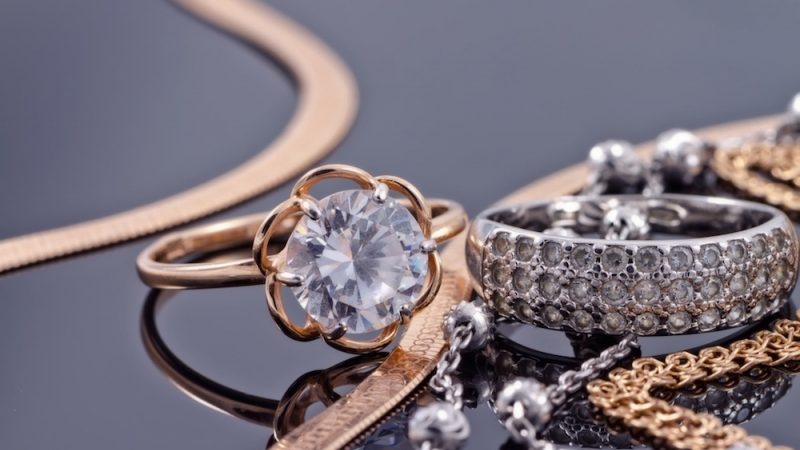
Diamond jewelry represents luxury, commitment, and timeless beauty. Whether you’re purchasing an engagement ring, a gift, or an investment piece, understanding what determines a diamond’s value is essential. A well-informed buyer can confidently choose a piece that offers both brilliance and long-term worth.
The 4Cs of Diamonds
The quality and value of a diamond are defined by the 4Cs: Cut, Clarity, Color, and Carat Weight.
1. Cut (Most Important Factor)
The cut determines how well a diamond reflects light.
- Excellent/Ideal Cut: Maximum brilliance and sparkle
- Good Cut: Balanced appearance and value
- Poor Cut: Dull and lifeless
A perfectly cut diamond can appear more brilliant than a larger but poorly cut one.
2. Clarity
Clarity measures internal imperfections (inclusions) and surface flaws.
- FL (Flawless): No visible imperfections
- VS (Very Slightly Included): Minor inclusions, hard to detect
- SI (Slightly Included): Visible under magnification
Most buyers find VS or SI diamonds offer the best value.
3. Color
Diamond color ranges from completely colorless to slightly yellow.
- D–F: Colorless (highest quality)
- G–J: Near colorless (great value)
- K–Z: Noticeable tint
For most jewelry, near-colorless diamonds appear just as stunning as premium ones.
4. Carat Weight
Carat refers to the weight of the diamond.
- Larger diamonds are rarer and more expensive
- Price increases exponentially with size
- Balance size with cut quality for best appearance
Diamond Shapes and Styles
Choosing the right shape affects both style and sparkle.
Popular Diamond Shapes:
- Round Brilliant: Maximum sparkle and classic appeal
- Princess Cut: Modern and sharp-edged
- Oval: Elegant and elongates fingers
- Cushion Cut: Vintage charm with soft edges
- Emerald Cut: Sophisticated with step-cut facets
Each shape reflects light differently, so choose based on personal preference.
Certification Matters
Always buy diamonds that come with certification from reputable grading labs.
Trusted Certification Bodies:
- GIA (Gemological Institute of America)
- IGI (International Gemological Institute)
- HRD Antwerp
Certification ensures the diamond’s quality matches its description.
Natural vs Lab-Grown Diamonds
Both options have their advantages:
Natural Diamonds:
- Formed over billions of years
- Higher resale value
- Unique rarity
Lab-Grown Diamonds:
- More affordable
- Ethically produced
- Identical in appearance and composition
Your choice depends on budget and personal values.
Setting and Metal Choices
The setting enhances the diamond’s appearance.
Common Settings:
- Solitaire: Highlights a single diamond
- Halo: Surrounds the center stone with smaller diamonds
- Three-Stone: Symbolizes past, present, and future
Metal Options:
- White Gold: Modern and sleek
- Yellow Gold: Classic and warm
- Platinum: Durable and premium
Budgeting Smartly
Buying diamond jewelry doesn’t have to break the bank.
Smart Tips:
- Prioritize cut over carat size
- Choose near-colorless grades for value
- Consider slightly lower clarity grades
- Compare prices across sellers
A well-balanced diamond often looks better than an expensive but poorly chosen one.
How to Avoid Common Mistakes
- Ignoring certification
- Overpaying for unnecessary features
- Choosing size over quality
- Not comparing multiple options
- Skipping return or warranty policies
Being cautious helps you make a confident purchase.
Caring for Diamond Jewelry
To maintain brilliance:
- Clean regularly with mild soap and water
- Store separately to avoid scratches
- Remove during heavy activities
- Schedule professional cleaning annually
Proper care ensures your diamond retains its sparkle for years.
Conclusion
Buying diamond jewelry is both an emotional and financial decision. By understanding the 4Cs, certification, and design choices, you can select a piece that perfectly balances beauty and value. Whether it’s a symbol of love or a personal indulgence, a well-chosen diamond will remain timeless.
Frequently Asked Questions (FAQs)
1. Which of the 4Cs is most important?
Cut is considered the most important because it directly affects the diamond’s sparkle.
2. Are bigger diamonds always better?
Not necessarily. A smaller diamond with excellent cut can look more brilliant than a larger one with poor cut.
3. Do lab-grown diamonds last as long as natural ones?
Yes, they have the same durability and physical properties as natural diamonds.
4. What is the best diamond shape for maximum sparkle?
Round brilliant cut offers the highest level of sparkle.
5. Can I negotiate diamond prices?
Yes, especially with independent jewelers. Always compare prices before purchasing.
6. Is diamond jewelry a good investment?
High-quality diamonds can retain value, but they should primarily be considered a luxury purchase.
7. How can I check diamond authenticity at home?
You can perform basic tests like fog or water tests, but professional certification is the most reliable method.