

Shopping: A Modern Guide to Smarter Buying
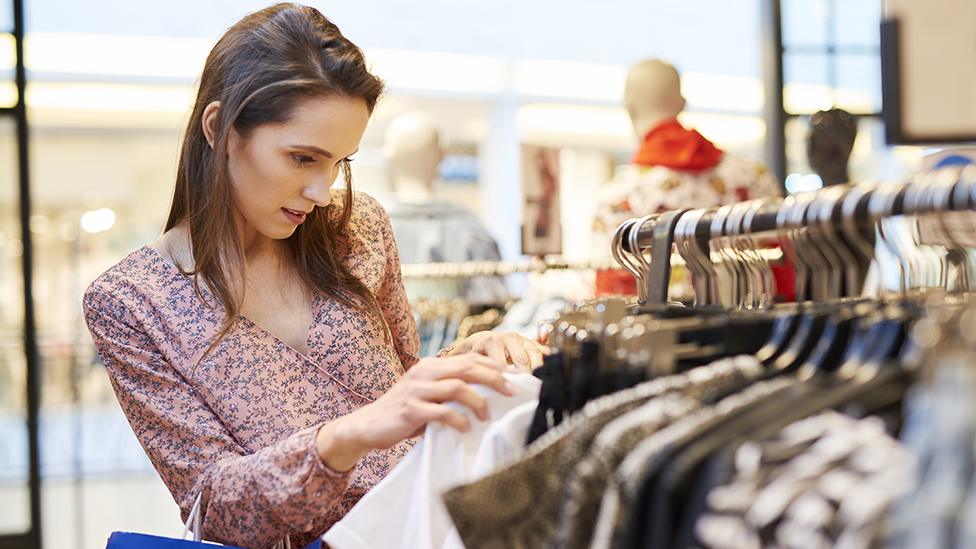
Understanding Shopping in Today’s World
Shopping is no longer just a routine activity—it has evolved into a dynamic experience shaped by technology, convenience, and personal preferences. Whether browsing local markets or purchasing products online, consumers now enjoy greater choice, flexibility, and control than ever before.
At its core, shopping involves selecting goods or services based on needs, desires, and budget. However, modern shopping also includes elements of entertainment, lifestyle, and even emotional satisfaction.
Types of Shopping Experiences
1. Offline Shopping
Traditional shopping still holds strong appeal for many consumers.
Key benefits include:
- Physical interaction with products before buying
- Instant purchase and ownership
- Personalized customer service
Popular places include:
- Shopping malls
- Local markets
- Specialty stores
2. Online Shopping
With the rise of digital platforms, online shopping has become a dominant trend.
Advantages:
- Convenience of shopping anytime, anywhere
- Access to global products
- Easy price comparison
Common categories:
- Electronics
- Clothing and fashion
- Groceries and essentials
3. Hybrid Shopping
A growing trend combines both online and offline elements.
Examples:
- Ordering online and picking up in-store
- Browsing in-store and purchasing online later
This approach offers flexibility while maintaining physical interaction.
Key Factors Influencing Buying Decisions
Modern consumers consider multiple factors before making a purchase:
Price and Value
Buyers often seek the best balance between cost and quality rather than the cheapest option.
Brand Trust
Well-known brands tend to attract loyal customers due to reliability and reputation.
Reviews and Ratings
Online feedback plays a crucial role in shaping decisions.
Convenience
Ease of purchase, delivery options, and return policies significantly impact choices.
Smart Shopping Strategies
To make the most out of your shopping experience, consider these practical strategies:
Plan Before You Buy
- Create a shopping list
- Set a budget
- Prioritize needs over wants
Compare Options
- Check multiple sellers
- Look for discounts and offers
- Evaluate product features carefully
Avoid Impulse Buying
- Take time before making large purchases
- Ask yourself if the item is truly necessary
Use Technology Wisely
- Price comparison tools
- Cashback apps
- Digital wallets for secure transactions
The Role of Technology in Shopping
Technology has transformed shopping into a seamless experience.
Key innovations include:
- Mobile apps for quick purchases
- AI-based recommendations
- Virtual try-ons for clothing and accessories
- Contactless payments
These advancements have made shopping faster, smarter, and more personalized.
Sustainable Shopping: A Growing Trend
Consumers are becoming more conscious of their environmental impact.
How to Shop Sustainably
- Choose eco-friendly products
- Support local businesses
- Avoid excessive packaging
- Buy only what you need
Sustainable shopping helps reduce waste while promoting ethical consumption.
Challenges in Modern Shopping
Despite its advantages, shopping also comes with challenges:
- Overconsumption and unnecessary spending
- Online scams and counterfeit products
- Decision fatigue due to too many options
Being aware of these issues helps consumers make more informed choices.
Conclusion
Shopping today is a blend of convenience, technology, and personal preference. By understanding different shopping methods, applying smart strategies, and staying mindful of spending habits, consumers can enjoy a more rewarding and efficient shopping experience.
Frequently Asked Questions (FAQs)
1. What is the difference between online and offline shopping?
Online shopping allows purchases via the internet, while offline shopping involves visiting physical stores.
2. How can I avoid overspending while shopping?
Set a budget, make a list, and avoid impulse purchases to stay within your limits.
3. Is online shopping safe?
Yes, if you use trusted platforms, secure payment methods, and verify seller reviews.
4. What are the benefits of shopping locally?
Local shopping supports small businesses, reduces delivery time, and strengthens the community.
5. How do I identify good product quality?
Check reviews, ratings, brand reputation, and product specifications before buying.
6. What is impulse buying?
Impulse buying refers to making unplanned purchases driven by emotions rather than need.
7. How can I shop more sustainably?
Buy only necessary items, choose eco-friendly products, and support ethical brands.