
Cultural Traditions of Gift Giving Around the World
Gift giving is a universal practice, yet the meaning, etiquette, and symbolism behind it vary greatly across cultures. What may be considered polite in one country could be inappropriate in another. Understanding these traditions not only helps avoid misunderstandings but also deepens respect for global diversity.
Why Cultural Gifting Traditions Matter
Gift giving is often tied to values, beliefs, and social norms. Across cultures, it can symbolize:
- Respect and gratitude
- Celebration and goodwill
- Social status or hierarchy
- Spiritual or religious meaning
Being aware of these customs shows cultural sensitivity and thoughtfulness.
Gift Giving Traditions by Region
🇯🇵 Japan: The Art of Presentation
In Japan, the way a gift is presented is just as important as the gift itself.
- Gifts are often wrapped beautifully using techniques like furoshiki (cloth wrapping)
- It is polite to refuse a gift once or twice before accepting
- Avoid overly expensive gifts to prevent embarrassment
- Gifts are typically not opened in front of the giver
Popular gifts: sweets, tea, or regional specialties
🇮🇳 India: Gifts with Warmth and Celebration
In India, gifting is deeply rooted in festivals, family, and hospitality.
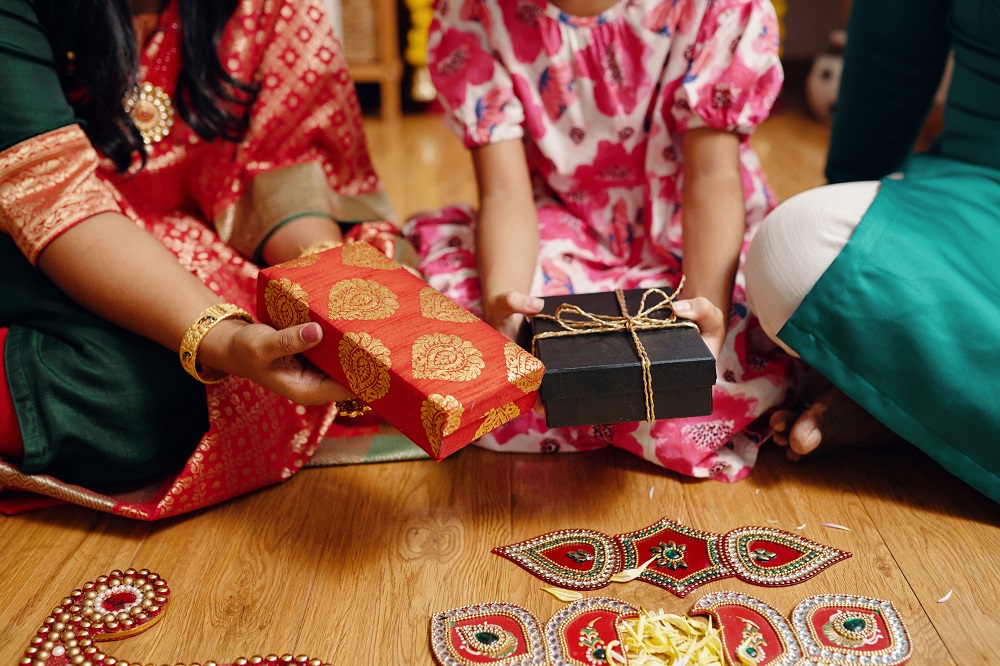
- Gifts are exchanged during festivals like Diwali, weddings, and housewarmings
- Sweets, dry fruits, and decorative items are common
- Avoid gifting leather items in some communities due to religious beliefs
- Gifts are often given with both hands as a sign of respect
Bright colors and decorative packaging are preferred.
🇨🇳 China: Symbolism and Superstition
Chinese gifting traditions are influenced by symbolism and numerology.
- Red envelopes (hongbao) with money are popular during celebrations
- Avoid gifting clocks, as they symbolize endings
- Even numbers are preferred, especially 8 (considered lucky)
- Gifts are usually refused initially as a sign of politeness
Presentation in red or gold is considered auspicious.
🇺🇸 United States: Practical and Open
In the United States, gifting is generally straightforward and flexible.
- Gifts are opened immediately in front of the giver
- Practical or personalized gifts are appreciated
- Gift receipts are often included
- Birthdays, holidays, and special milestones are key occasions
There are fewer strict rules, making it one of the more relaxed gifting cultures.
🇫🇷 France: Elegance and Subtlety
French gifting culture emphasizes sophistication and thoughtfulness.
- Gifts are usually not overly extravagant
- Wine, chocolates, or flowers are common
- Avoid chrysanthemums, as they are associated with funerals
- Gifts are often given when invited to someone’s home
Presentation is simple yet elegant.
🇲🇪 Middle East: Hospitality and Generosity
In many Middle Eastern cultures, gifting reflects generosity and honor.
- Gifts are often given with the right hand or both hands
- Avoid alcohol unless you are certain it is acceptable
- High-quality items are appreciated
- Hospitality plays a central role—guests may receive gifts
Perfumes and sweets are popular choices.
Common Themes Across Cultures
Despite differences, some universal patterns exist:
- Presentation matters: Wrapping and appearance are important globally
- Symbolism is powerful: Colors, numbers, and items carry meaning
- Respect is key: How a gift is given can matter as much as the gift itself
- Reciprocity is common: Gifts are often returned in some form
Cultural Gift Giving Etiquette Tips
When giving gifts internationally, keep these tips in mind:
- Research cultural norms beforehand
- Avoid culturally sensitive items
- Pay attention to colors and numbers
- Respect local customs around opening gifts
- When unsure, choose neutral and thoughtful gifts
The Deeper Meaning of Global Gifting
Gift giving across cultures is more than a gesture—it’s a language of connection. It bridges gaps, expresses respect, and builds relationships beyond words. By understanding these traditions, you not only give better gifts but also show genuine appreciation for different ways of life.
Frequently Asked Questions (FAQs)
1. Why do gift giving traditions differ across cultures?
They are influenced by history, religion, social norms, and local beliefs.
2. What is considered a universal safe gift?
Items like chocolates, flowers, or souvenirs are generally safe across many cultures.
3. Is it rude to open gifts immediately in all cultures?
No, in some cultures it is expected, while in others it may be considered impolite.
4. Why are colors important in gift giving?
Colors often carry symbolic meanings, such as luck, mourning, or prosperity.
5. What should I avoid when giving gifts internationally?
Avoid items with negative symbolism, culturally inappropriate products, or overly expensive gifts.
6. Are cash gifts appropriate worldwide?
They are common in some cultures (like China) but may be considered impersonal in others.
7. How can I learn proper gifting etiquette for a specific country?
Research cultural guides, ask locals, or observe traditional practices for better understanding.